


San Antonio's Trusted Plumbing Experts
Fast, Reliable Plumbing Repairs for Homes & Businesses
Licensed plumbers for leaks, water heaters, drain issues, and full system repairs.

24/7 Fast Emergency Service
Plumbing issues don’t wait. Our team is available day or night to fix leaks, burst pipes, clogged drains, and urgent plumbing problems.

Leak & Pipe Repair
We quickly locate hidden leaks and repair damaged pipes to prevent water damage and restore your plumbing system.

Fair Pricing
Clear estimates before work begins. No hidden fees or surprises.

Licensed Plumbing Experts
Our licensed technicians deliver reliable service, quality workmanship, and solutions built to last.

ABOUT OUR PLUMBING COMPANY
Reliable Plumbing Solutions for Homes & Businesses in San Antonio
Our licensed plumbers provide fast, professional plumbing services for residential and commercial properties. From leak repairs and clogged drains to water heater installations and full system replacements, we deliver dependable solutions built to last.
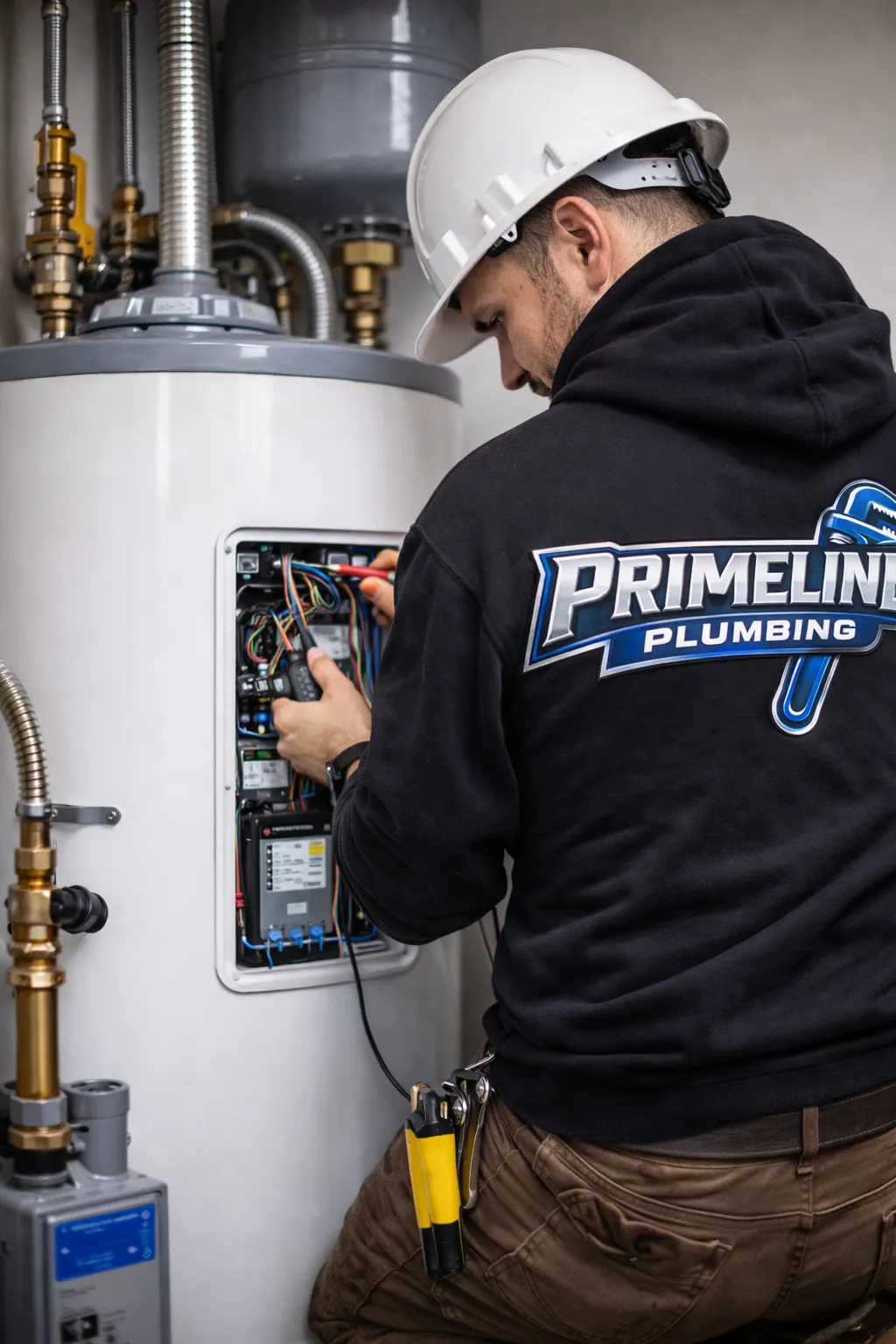
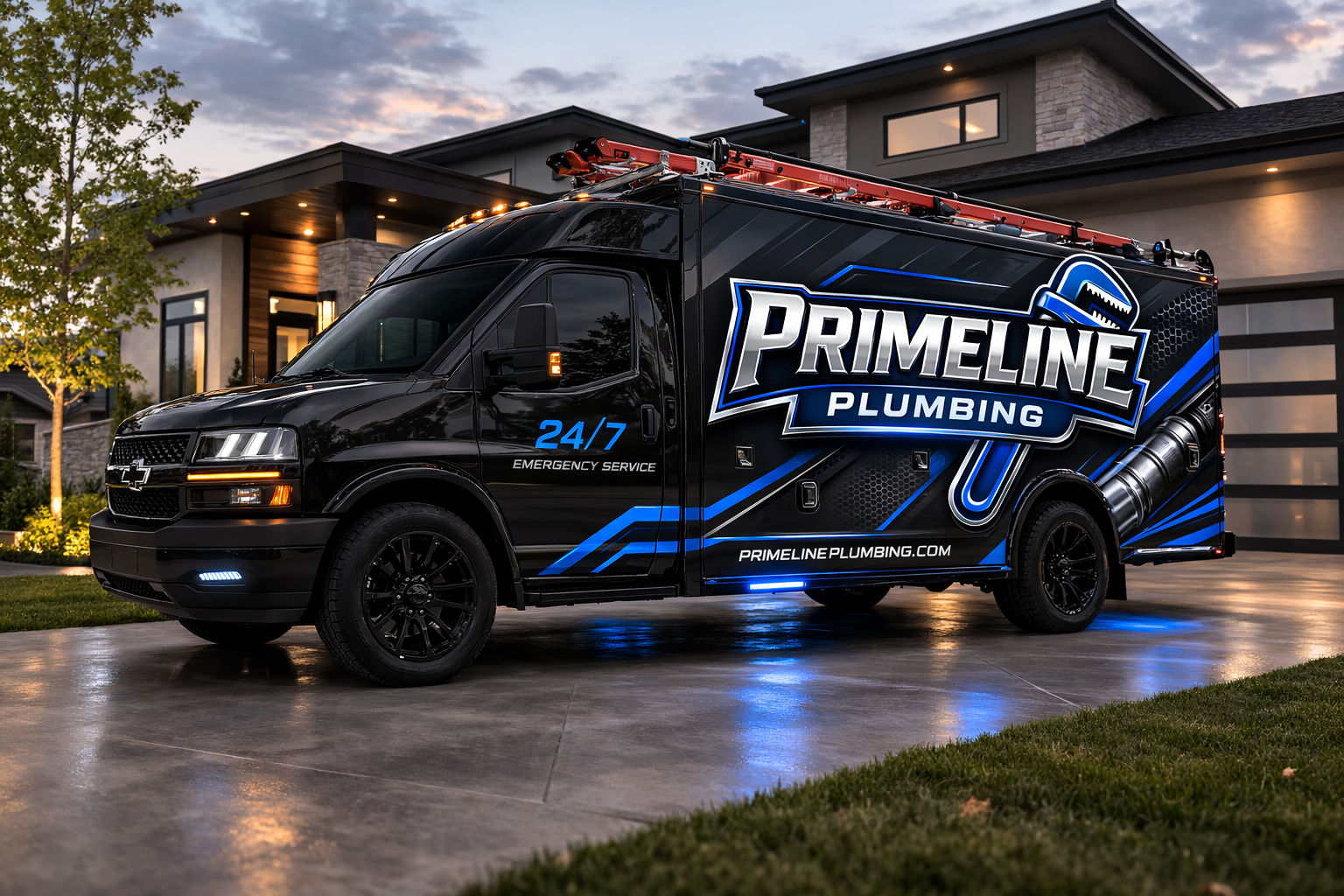
company story and mission
Our journey started with one simple goal: provide reliable plumbing services homeowners can trust.
What began as a small local operation has grown into a dependable plumbing company known for fast response times, honest pricing, and quality workmanship.
At Primeline Plumbing, we understand how stressful plumbing problems can be. That’s why our team is committed to delivering fast, professional solutions that get your home back to normal as quickly as possible.
mission statement:
Our mission is to provide dependable, high-quality plumbing services that homeowners can rely on when it matters most.
From emergency repairs to routine maintenance, we focus on delivering lasting solutions, transparent communication, and outstanding customer service.
quality service
comfort & convenience
affordable options
memorable journeys
Services
Our Plumbing Services
Fast and reliable plumbing services for your home. We handle leak repairs, clogged drains, faucet installations, garbage disposals, and more.

Residential Plumbing
Fast and reliable service for your home. We handle leak repairs, faucet fixtures, garbage disposals, and shower repairs.

Commercial Plumbing
Comprehensive solutions including tenant improvements, leak detection, pipe repairs, and ongoing maintenance.

Emergency Plumbing
Available when you need us most. We tackle major leaks and offer after-hours service with fast response times.

Water Heaters
Expert repair and installation of traditional and tankless water heaters to ensure your home always has hot water.
Leak Detection
State-of-the-art leak detection to pinpoint issues behind walls or under slabs before they cause major property damage.

Fixture Upgrades
Professional installation of modern faucets, showerheads, tubs, and garbage disposals to upgrade your space.
Service areas
Proudly Serving San Antonio & Surrounding Areas
We provide fast, reliable plumbing services throughout San Antonio and nearby communities. Whether you're dealing with a leak, clogged drain, or emergency repair, our experienced team is ready to help. Not sure if we service your area? Give us a call today!
Areas we serve
San Antonio
New Braunfels
Hill Country
Stone Oak
Schertz
Castroville
Converse
Alamo Heights
Boerne
Helotes

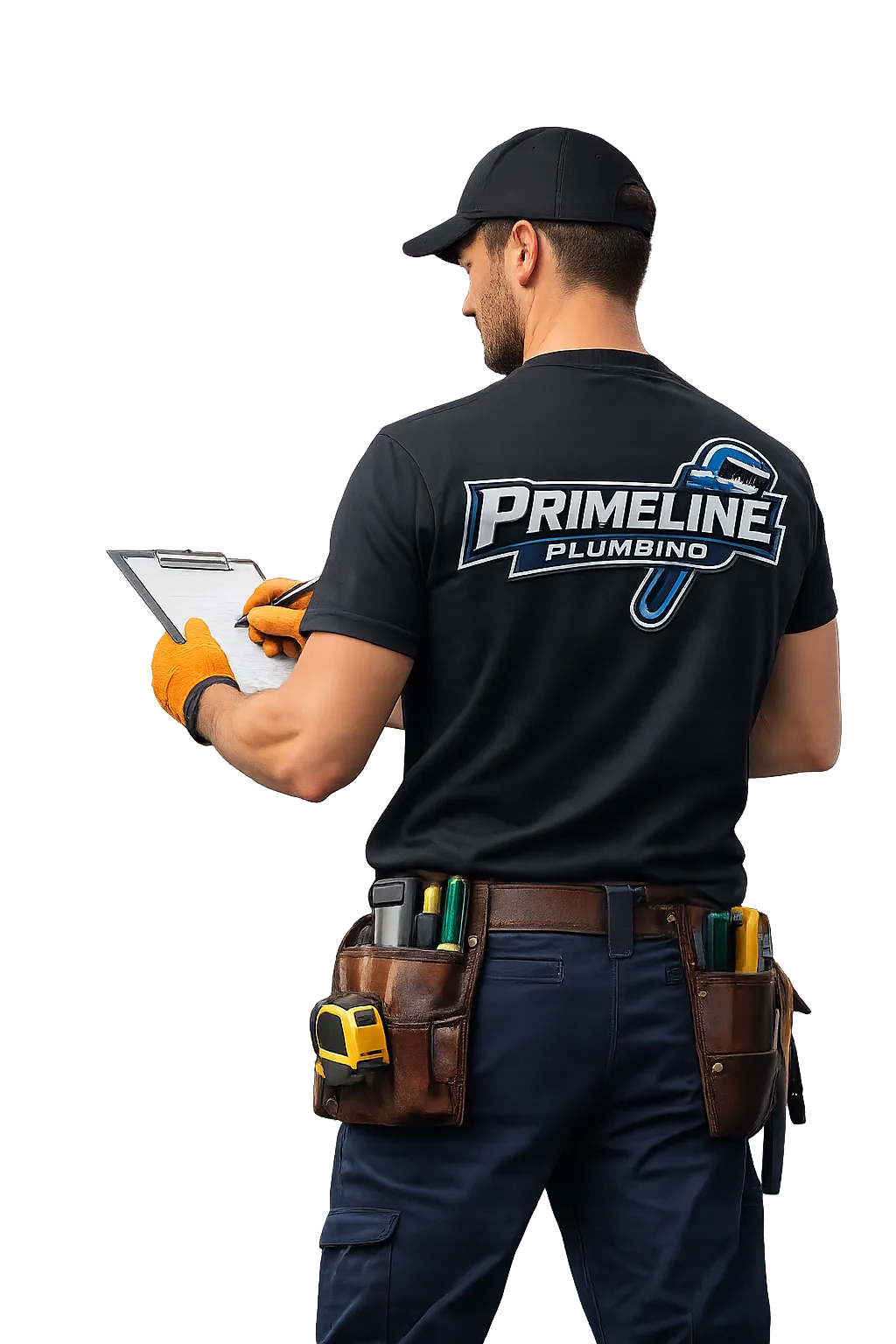
Need a Plumber in San Antonio?
Leaking pipe? Broken water heater? Clogged drain?
Our licensed plumbers provide same-day service, honest pricing, and fast response times across San Antonio. Call now and we’ll get your plumbing working again today.
(210)876-4417
OR
Reviews
What Our Clients Say


"I called Primeline Plumbing for a leak under my sink and they showed up the same day. The technician was professional, explained everything clearly, and fixed the issue quickly. Highly recommend their service!"
Homeowner
Daniel Martinez
"Our water heater stopped working and Primeline Plumbing had it repaired within hours. The pricing was fair and the plumber was extremely knowledgeable. Great experience from start to finish."
San Antonio Resident
Jessica Ramirez
"Fast, honest, and reliable. They came out for an emergency pipe leak and handled everything quickly. It's hard to find plumbers you can trust, but these guys are the real deal."
Local Customer
Anthony Rivera
Questions
Common Plumbing Questions
A few quick answers before we stop by.
Still wondering about something specific? Add your question in the form and we’ll answer it when we reply.
Do you offer same-day service?
Yes. We provide same-day service throughout San Antonio whenever possible. If you're dealing with a leak, clogged drain, or broken water heater, our team will work to get a technician to your home as quickly as possible.
Will I know the price before you start?
Pricing depends on the type of repair and the time required. We always provide upfront pricing before starting any work, so you'll know exactly what to expect with no surprises.
Can you give quotes over text with photos?
For simple things — like a visible faucet, toilet, or disposal swap — clear photos and a short video can help us give a ballpark. For anything behind walls, underground, or involving gas lines, we’ll still need an in-person visit to be accurate.
Are your plumbers licensed and insured?
Yes. Our techs are licensed in the state of Texas, fully insured, and background-checked. We’ll gladly share license information if you’d like to verify it yourself.
What forms of payment do you take?
We accept major credit and debit cards, cash, and checks for most jobs. For larger projects, we can also discuss payment options ahead of time so there are no surprises.
What plumbing problems require immediate attention?
Some issues should be handled right away to prevent major damage, including:
-Burst pipes
-Major water leaks
-Sewer backups
-No hot water
-Overflowing toilets
If you're experiencing any of these, contact us for fast emergency service.
Our vision
Reliable Plumbing You Can Count On
We’re committed to delivering dependable plumbing services with honest pricing, fast response times, and quality workmanship. Whether it's a small repair or a major installation, our goal is to provide solutions that keep your home or business running smoothly.
Customer-focused service
Clear communication and upfront pricing
Long-lasting plumbing solutions
Experienced and licensed plumbers
Reliable service across San Antonio
Built on trust and lasting relationships

Fast, reliable repairs for all major home appliances. Same-day service available with upfront pricing and no hidden fees.
Quick Link
Legal
Social


© Copyright 2026. Primeline Plumbing LLC. All Rights Reserved.